
"Colombian coffee re-export"
146000 article(s) found
The re-export trade volume of Chongqing Jian Coffee Trading Center may reach 300 million US dollars this year.
On June 16, Chongqing Coffee Trading Center opened. According to reports, the center will be built into the country's largest coffee electronic trading platform, coffee (cross-border) e-commerce platform, coffee industry chain financing credit platform, the National Coffee transaction settlement Center and the Coffee big data Center. The relevant person in charge of the Chongqing Economic and Informatization Commission believes that the center can provide quality and convenience for enterprises related to the coffee industry chain.

Coffee and the Pope?
From the 15th century coffee was grown extensively in Arabia, and the whole Muslim world enjoyed this so-called "gift of God." More and more Europeans exploring Arabia in the Middle East are curious and documenting the coffee story. Slowly Venetian merchants began to think about coffee re-export business.

Coffee and the Pope
From the 15th century coffee was grown in great quantities in Arabia, and the whole Muslim world enjoyed this so-called gift of God. More and more Europeans exploring Arabia in the Middle East are curious and documenting the coffee story. Slowly Venetian merchants began to think about coffee re-export business. However, the Arabs were wary at first. After all, this was their divine fruit.

The relationship between Coffee and the Pope?
Since the 15th century, coffee has been grown in large quantities in the Arabian Peninsula, and the whole Muslim world is enjoying the so-called gift of Allah. More and more Europeans exploring Arabs in the Middle East are curious and record the story of coffee. Slowly the merchants of Venice began to use their brains and started the re-export business of coffee. But the Arabs were on ten alert at first, after all, it was their divine fruit.

The relationship between Coffee Culture and the Pope
Since the 15th century, coffee has been grown in large quantities in the Arabian Peninsula, and the whole Muslim world is enjoying the so-called gift of Allah. More and more Europeans exploring Arabs in the Middle East are curious and record the story of coffee. Slowly the merchants of Venice began to use their brains and started the re-export business of coffee. But the Arabs were on ten alert at first, after all, it was their divine fruit.

Coffee and Pope Coffee is grown in large quantities in the Arabian Peninsula
From the 15th century coffee was grown in great quantities in Arabia, and the whole Muslim world enjoyed this so-called gift of God. More and more Europeans exploring Arabia in the Middle East are curious and documenting the coffee story. Slowly Venetian merchants began to think about coffee re-export business. However, the Arabs were wary at first. After all, this was their divine fruit.

Jiangsu Rugao bonded Logistics Center the largest entrepot base of imported coffee in the growth triangle area
Professional baristas exchange please follow the coffee workshop (Wechat official account cafe_style) recently, according to Jiangsu Rugao Port Group statistics, Rugao Port bonded Logistics Center completed a total of 2951 TEUs of coffee in and out of the warehouse from January to April this year, with a value of nearly US $200 million, accounting for more than 80% of Jiangsu coffee import and re-export trade, becoming the largest entrepot trade base of imported coffee in the Yangtze River Delta region.

Jiangsu Rugao bonded Logistics Center has become the largest entrepot base of imported coffee in the Yangtze River Delta.
Professional baristas exchange please follow the coffee workshop (Wechat official account cafe_style) recently, according to Jiangsu Rugao Port Group statistics, Rugao Port bonded Logistics Center completed a total of 2951 TEUs of coffee in and out of the warehouse from January to April this year, with a value of nearly US $200 million, accounting for more than 80% of Jiangsu coffee import and re-export trade, making it the largest entrepot trade base of imported coffee in the Yangtze River Delta region. According to

Chongqing strives to build the largest coffee base in China
It is understood that coffee is the second commodity in the world. In recent years, due to the economic downturn, international commodities as a whole have performed poorly, while coffee has performed very well. Coffee was the best-performing commodity in 2014, with coffee trading up 48.6 per cent. In emerging markets, China's annual coffee consumption growth rate is more than 25%, more than 10 times the world average.
Per capita coffee consumption in the United Arab Emirates has tripled
According to the latest statistics released by the International Coffee Organization, tea and coffee consumption in Arab countries has more than tripled in the past decade. Consumption in the United Arab Emirates has increased by 85% in the past three years. The per capita annual consumption of tea and coffee in the United Arab Emirates is 3.5 kg, which is about double that of other Gulf countries, and tea consumption has increased by 47%. 2011 Global Coffee
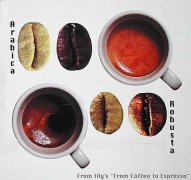
Consumption of tea and coffee in Arab countries has more than tripled
According to the latest statistics released by the International Coffee Organization, tea and coffee consumption in Arab countries has more than tripled in the past decade. Consumption in the United Arab Emirates has increased by 85% in the past three years. The per capita annual consumption of tea and coffee in the United Arab Emirates is 3.5 kg, which is about double that of other Gulf countries, and tea consumption has increased by 47%. 2011 Global Coffee

Consumption of tea and coffee in Arab countries has more than tripled
According to the latest statistics released by the International Coffee Organization, tea and coffee consumption in Arab countries has more than tripled in the past decade. Consumption in the United Arab Emirates has increased by 85% in the past three years. The per capita annual consumption of tea and coffee in the United Arab Emirates is 3.5 kg, which is about double that of other Gulf countries, and tea consumption has increased by 47%. 2011 Global Coffee
Consumption of tea and coffee in Arab countries has more than tripled
The consumption of tea and coffee in Arab countries has increased more than threefold over the past decade, according to the latest statistics released by the International Coffee Organization. Consumption in the United Arab Emirates has increased by 85 per cent over the past three years. Annual per capita consumption of tea and coffee in the United Arab Emirates is 3.5 kg, coffee consumption is about twice that of other Gulf countries, and tea consumption has increased by 47%. Global Coffee 2011

Consumption of tea and coffee in Arab countries has more than tripled
According to the latest statistics released by the International Coffee Organization, tea and coffee consumption in Arab countries has more than tripled in the past decade. Consumption in the United Arab Emirates has increased by 85% in the past three years. The per capita annual consumption of tea and coffee in the United Arab Emirates is 3.5 kg, which is about double that of other Gulf countries, and tea consumption has increased by 47%. 2011 Global Coffee
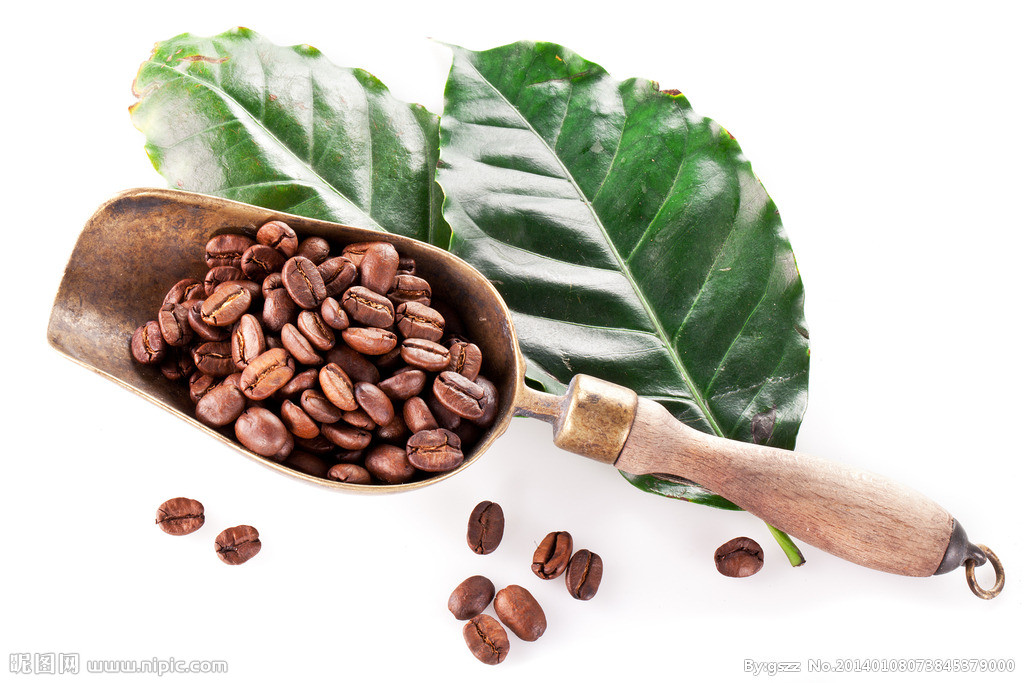
International Coffee Organization reports that tea and coffee consumption in Arab countries has more than tripled
According to the latest statistics released by the International Coffee Organization, tea and coffee consumption in Arab countries has more than tripled in the past decade. Consumption in the United Arab Emirates has increased by 85% in the past three years. The per capita annual consumption of tea and coffee in the United Arab Emirates is 3.5 kg, which is about double that of other Gulf countries, and tea consumption has increased by 47%. 2011 Global Coffee
The Historical Development of Coffee in the World
Sixth century Ethiopian shepherds found red coffee fruit 11th century Arab merchants spread coffee to Europe in the 13th century Arab-centered Islam drank coffee by roasting and grinding raw beans in 1529 the Viennese Franz Geora Kolschitzky established the first coffee shop in Europe, he also opened the atmosphere of drinking coffee with milk 15
Tea and coffee consumption in the United Arab Emirates has increased by 85% in the past three years.
According to the latest statistics released by the International Coffee Organization, tea and coffee consumption in Arab countries has more than tripled in the past decade. Consumption in the United Arab Emirates has increased by 85% in the past three years. The per capita annual consumption of tea and coffee in the United Arab Emirates is 3.5 kg, which is about double that of other Gulf countries, and tea consumption has increased by 47%. 2011 Global Coffee
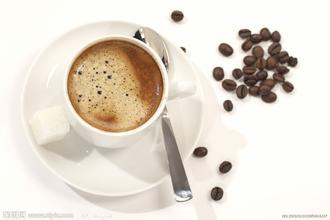
Sumatra coffee bean flavor taste Manor introduction Rasuna Wahana Manor
Sumatra coffee bean grading We often hear about premium mantelin, but at the same time, mantelin coffee green bean quality is unsightly. In fact, coffee in Sumatra is graded more systematically. As for why the old beans in Mantenin are golden yellow, it is because the coffee transit station Medan is very humid (more than 80% moisture). If you store it for six months,
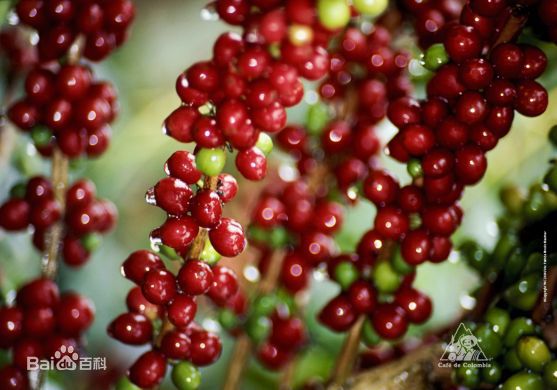
World Coffee History
In the sixth century, Ethiopian shepherds discovered red coffee fruits. In the eleventh century, Arab merchants spread coffee to Europe. In the 16th century, Franz Geora Kolschitzky, a Viennese, established the first coffee shop in Europe. He also started the trend of drinking coffee with milk. In 1554, coffee in Istanbul became black gold, and it was very popular with Ethiopian shepherds in the sixth century.
An Analysis of the Development of Coffee History in the World
Sixth century Ethiopian shepherds found red coffee fruit 11th century Arab merchants spread coffee to Europe in the 13th century Arab-centered Islam drank coffee by roasting and grinding raw beans in 1529 the Viennese Franz Geora Kolschitzky established the first coffee shop in Europe, he also opened the atmosphere of drinking coffee with milk 15